
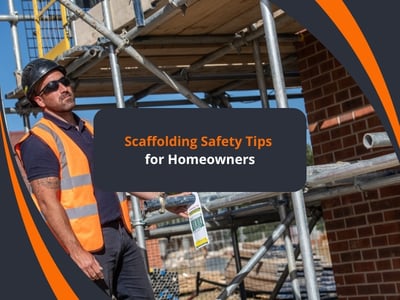
When scaffolding is installed at your property, it quickly becomes part of everyday life while roofing, renovation or repair works are being completed. For many homeowners, it’s also something they rarely deal with, which means questions around scaffolding safety are completely normal.
Whether the scaffold is being used for chimney repairs, roof replacement, loft conversion work or solar panel installation, the most important thing is ensuring the structure has been installed correctly and remains safe throughout the project. Good scaffolding doesn’t just help tradespeople work safely at height, it also protects neighbouring properties, pedestrians and the people living at the property itself.
A properly managed scaffold project should feel organised from the beginning, with clear access arrangements, regular inspections and professional installers who understand how to safely work around occupied homes and busy residential areas.
Choosing the Right Scaffolding Company Matters
A large part of scaffolding safety comes down to who installs the structure in the first place. Experienced scaffolders will assess the property properly before installation begins, identify any access restrictions and make sure the scaffold design is suitable for the type of work being carried out.
This becomes especially important on properties with:
- narrow access routes
- uneven ground
- conservatories or extensions
- overhead cables
- limited pavement space
In busy towns and cities, scaffolding often needs additional planning due to restricted parking, neighbouring properties and public access requirements. Proper preparation helps avoid delays and reduces the likelihood of safety issues once work is underway.
What Homeowners Should Expect During Installation
For most domestic projects, scaffold installation is completed surprisingly quickly, but the process should never feel rushed. Professional scaffolders will normally secure the working area, unload materials carefully and erect the scaffold in stages to ensure the structure remains stable throughout installation.
Once erected, the scaffold should provide safe access around the property without unnecessarily obstructing entrances, neighbouring access routes or pedestrian walkways.
Homeowners should also expect clear communication about:
- how long the scaffold will remain in place
- any permit requirements
- safe access around the property
- inspection schedules
- who to contact if problems arise
Those small details are often what separate experienced scaffolding companies from less reliable operators.
Why Scaffold Inspections Are So Important
Scaffolding should never simply be erected and forgotten about until the project finishes. Regular inspections are one of the most important parts of maintaining scaffolding safety, particularly during longer roofing or construction works.
Weather conditions alone can place additional strain on scaffold structures over time, especially during periods of strong wind or heavy rain. On larger commercial projects, inspections become even more important due to increased site activity and heavier loading requirements.
Professional scaffolders will normally carry out inspections throughout the hire period to check that the structure remains secure, compliant and safe to use.
Common Safety Mistakes Around Domestic Scaffolding
One of the biggest problems scaffolders encounter is unauthorised interference with the structure after installation. Homeowners should never attempt to remove boards, adjust ladder access or modify parts of the scaffold themselves, even if something appears minor.
Children should also be kept away from scaffold ladders and working platforms wherever possible. Although scaffolding may look stable from the ground, climbing on the structure creates serious risks.
Another common issue is restricted access caused by parked vehicles, stored materials or blocked pathways after installation has taken place. Keeping access areas clear helps scaffolders safely inspect and maintain the structure while work is ongoing.
Scaffolding Safety on Busier Projects
Scaffolding safety becomes even more important on larger renovation or commercial projects where multiple trades may be working on the structure at the same time. Projects involving temporary roofs, loading bays or multi-storey access systems often require additional planning and safety coordination before installation begins.
In more built-up locations, scaffolders may also need to arrange:
- local authority permits
- pavement licences
- pedestrian barriers
- scaffold lighting
- traffic management measures
This is why experienced scaffolders spend so much time planning projects before the first scaffold tube even arrives on site.
Safe Scaffolding Starts With Proper Planning
The safest scaffold projects are rarely the ones that happen fastest; they’re usually the ones that are planned properly from the beginning. Good communication, qualified scaffolders and regular inspections all play a major role in keeping projects running safely and efficiently.
At Find A Scaffolder, we help homeowners and contractors arrange safe, compliant scaffolding for projects across the UK, from roof repairs and loft conversions to larger commercial access systems. If you’re planning upcoming work and need professional scaffolding advice, contact our team today to request a free quote.